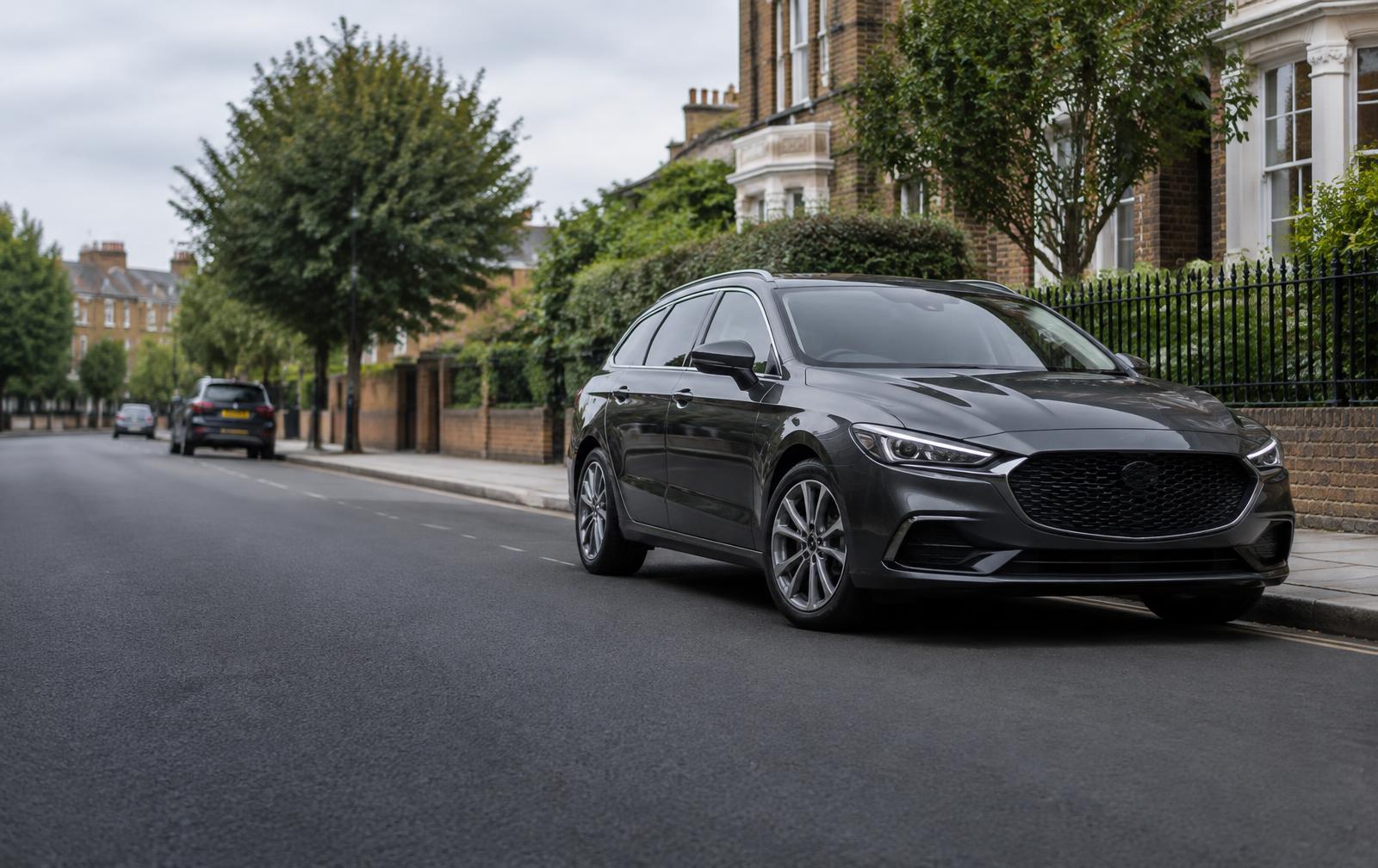
Trust In Car Check · Running costs
Car tax bands explained: which rules apply to your car?
A car's Vehicle Excise Duty (VED) depends on when it was first registered and the relevant emissions or engine-size rules. Newer cars usually move from a first-year emissions rate to a standard annual rate, with an additional supplement for some higher-list-price cars.
Trust In Car CheckReviewed
UK VED information, checked against official guidance on 21 November 2026. Verify current rates before paying.
Start with the date of first registration
These are broad categories, not a quote for every vehicle. Tax class, exemptions and special rules can change the result. A different colour, model badge or seller's estimate is not a reliable way to identify the tax regime.
| First registration | General basis | Buyer check |
|---|---|---|
| Before 1 March 2001 | Engine-size-based rates generally apply. | Confirm engine size and the applicable official rate. |
| 1 March 2001 to 31 March 2017 | CO₂-related bands generally apply. | Use the recorded emissions and the correct registration-era table. |
| From 1 April 2017 | A first-year emissions rate, then normally a standard rate and any applicable supplement. | Check the original list price, fuel type and supplement period. |
How to use the current official rates
For the 2026–27 rates checked for this guide, GOV.UK lists £200 for a single 12-month standard payment on applicable cars registered from 1 April 2017, before any supplement. Other payment schedules can cost more overall.
For applicable higher-list-price vehicles, the current additional annual rate is £440, paid for five years from the second time the vehicle is taxed. GOV.UK distinguishes a more-than-£40,000 list-price threshold for petrol/diesel cars and more than £50,000 for electric cars. Eligibility and registration-date exceptions matter.
These figures are dated examples from official guidance, not a personalised bill or a promise that future rates will be unchanged. Open the official tables before budgeting or paying.
Do not assume electric means tax-free
Vehicle tax changed for electric and low-emission vehicles from 1 April 2025. The applicable amount depends on registration date and vehicle type; older articles describing all electric cars as tax-free can now mislead.
Hybrids also need the correct current rate rather than an assumed discount. For an imported vehicle, unusual tax class or exemption, check the official DVLA guidance instead of treating the broad table as decisive.
Budget before you buy
Vehicle tax does not transfer with the car when it is sold. Arrange tax for the new keeper before using it on the road; the seller's paid tax is not your permission to drive.
Compare tax alongside insurance, servicing, tyres and expected repairs. A lower purchase price can be outweighed by running costs, while a higher tax bill does not by itself make a car poor value.
- Confirm the date of first registration from the V5C.
- Identify the applicable emissions, engine-size or newer-car regime.
- Check the original list price and whether a supplement period applies.
- Use the current official rate and the payment schedule you intend to use.
- Check tax and insurance arrangements before driving the purchased vehicle.
Tax is separate from MOT and clean-air charges
VED does not replace an MOT or insurance and is not the same as ULEZ or another clean-air-zone charge. A vehicle's tax class or tax status does not settle all those questions.
The VED framework is UK-wide, including Northern Ireland. MOT testing is different: NI uses DVA arrangements. This article supplies no registration-based tax check; use official DVLA services for actual status and payment.
Frequently asked questions
Sources and further guidance
- GOV.UK: current vehicle tax tables (opens in a new tab)
- GOV.UK: electric and low-emission vehicle tax (opens in a new tab)
- GOV.UK: official vehicle tax rates publication (opens in a new tab)
- GOV.UK: check a used vehicle you are buying (opens in a new tab)
- GOV.UK: buy a vehicle, step by step (opens in a new tab)
General information, not personalised mechanical, legal or financial advice. Check current official guidance and get professional advice where needed.